

The team
Integrated research units
GAiA is built on the collaboration between two Italian research units: the University Campus Bio-Medico of Rome and the University of Modena and Reggio Emilia. Together, they bring complementary skills in electrospun fibres, antimicrobial bioglasses, biological testing, materials characterisation and environmental assessment.
Learn More

A coordinated scientific pathway

GAiA works because materials science, microbiology and sustainability are developed together, not one after the other. The two research units have complementary expertise and are expected to interact closely, with regular technical updates and meetings to monitor progress, discuss issues and define corrective actions when needed.

Step 1
Shared planning
The team defines research priorities, experimental activities and validation steps together, aligning material development with the final goal of sustainable antimicrobial filters.
Step 2
Complementary laboratories
One research line focuses on electrospun polymeric fibres and biological testing, while the other develops and characterises antimicrobial bioglasses and evaluates environmental impact.
Step 3
Continuous feedback
Results from bioglass synthesis, fibre fabrication, antimicrobial testing, safety checks and LCA are shared across the consortium to improve the material design.
Step 4
Integrated validation
The final evaluation combines performance, safety, stability, environmental footprint and dissemination, creating a complete picture of the potential of GAiA materials.

Research units

Combining multi-disciplinary expertise

University Campus Bio-Medico of Rome
Project coordinator, leading the development of electrospun fibres, the integration of antimicrobial particles and the biological validation of the materials. The unit contributes expertise in materials science, polymeric systems, fibre fabrication and antimicrobial testing.
University of Modena and Reggio Emilia
Responsible for developing and characterising new antimicrobial bioglasses and for studying the environmental impact of the materials and processes. The unit contributes expertise in bioactive glass formulation, thermal and structural characterisation, materials engineering and LCA.

Different skills, one common goal

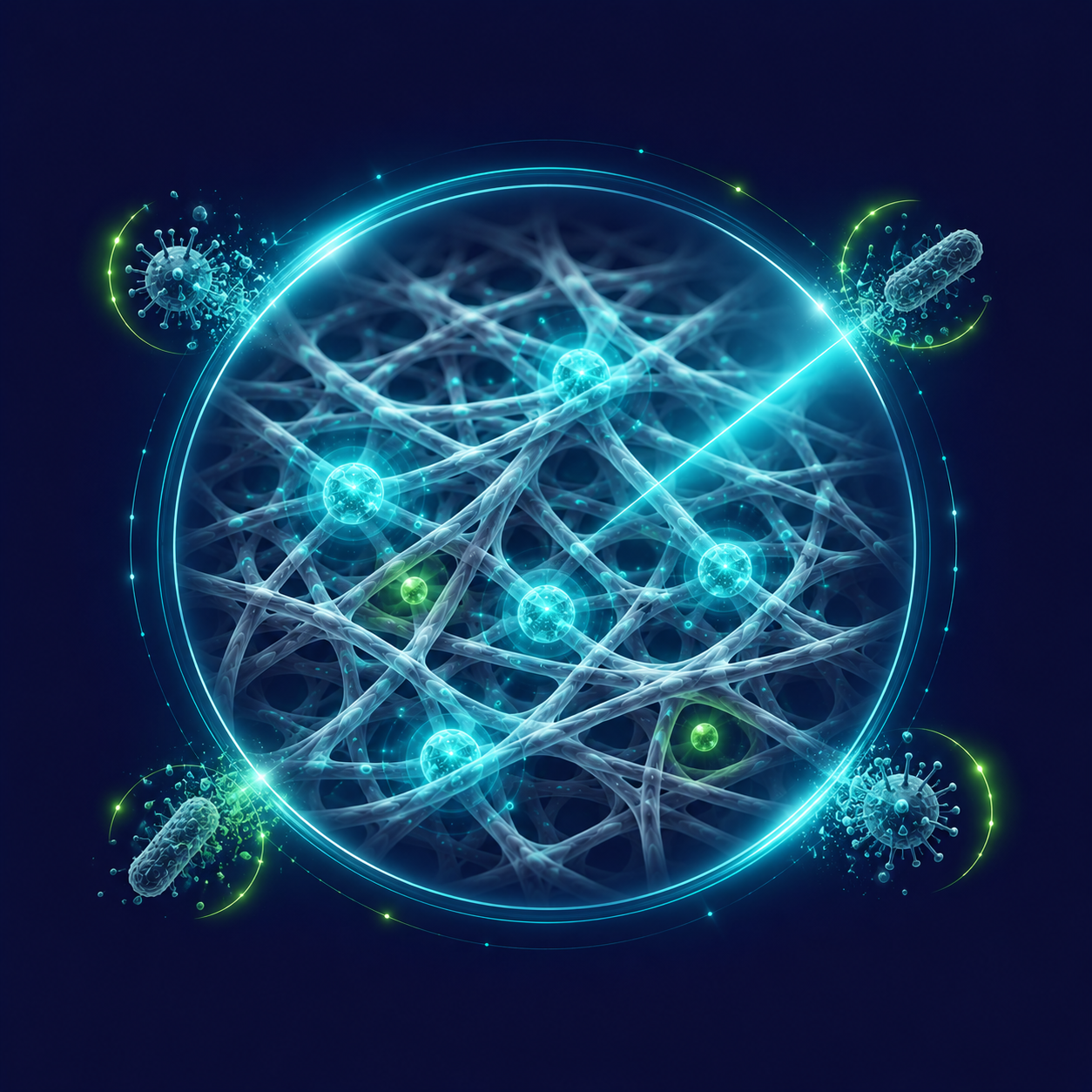
Fibre
engineering

Designing ultra-thin nonwoven fibres using water-based polymer solutions and optimised process parameters.
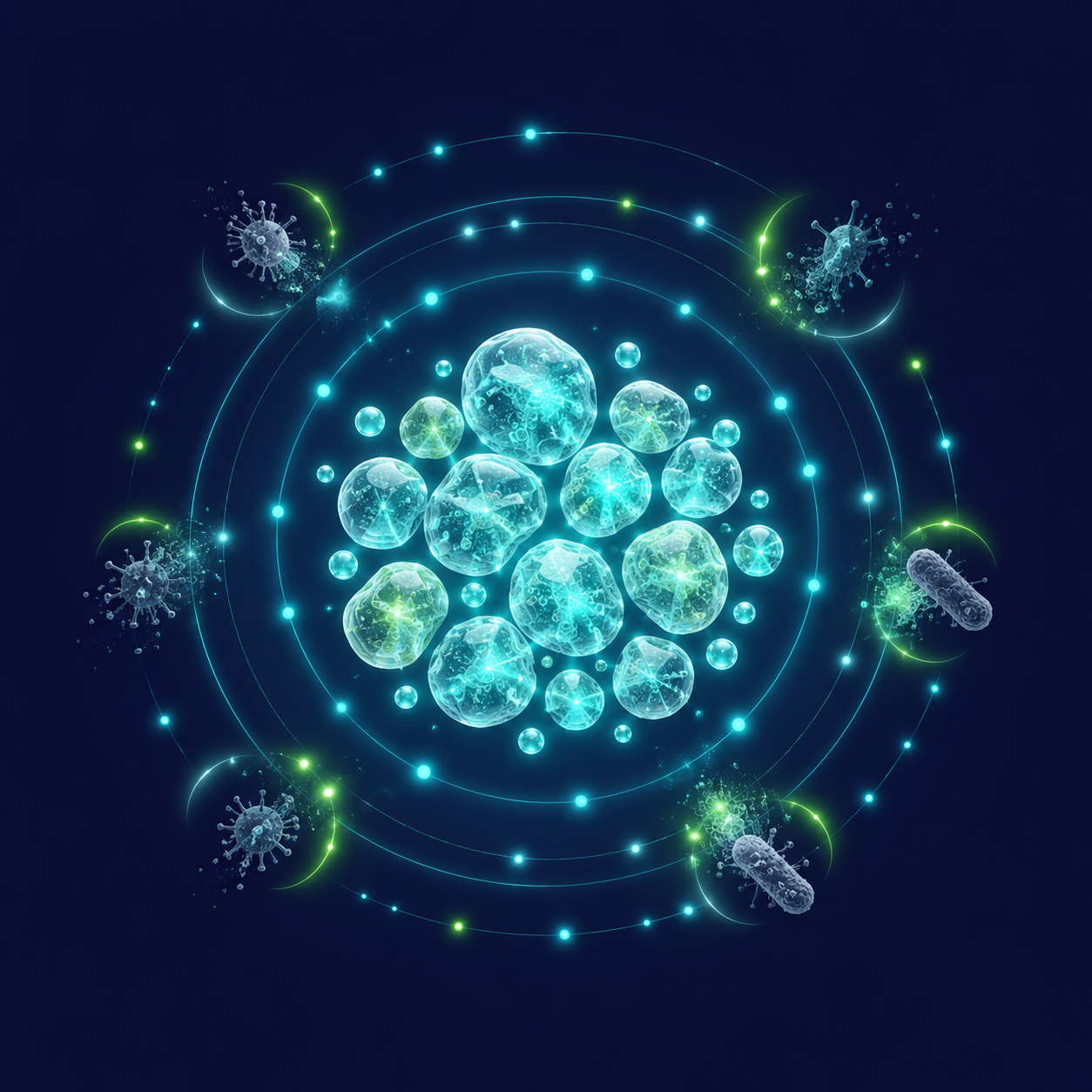
Antimicrobial
bioglasses

Developing functional bioglass particles capable of releasing ions with antimicrobial activity.
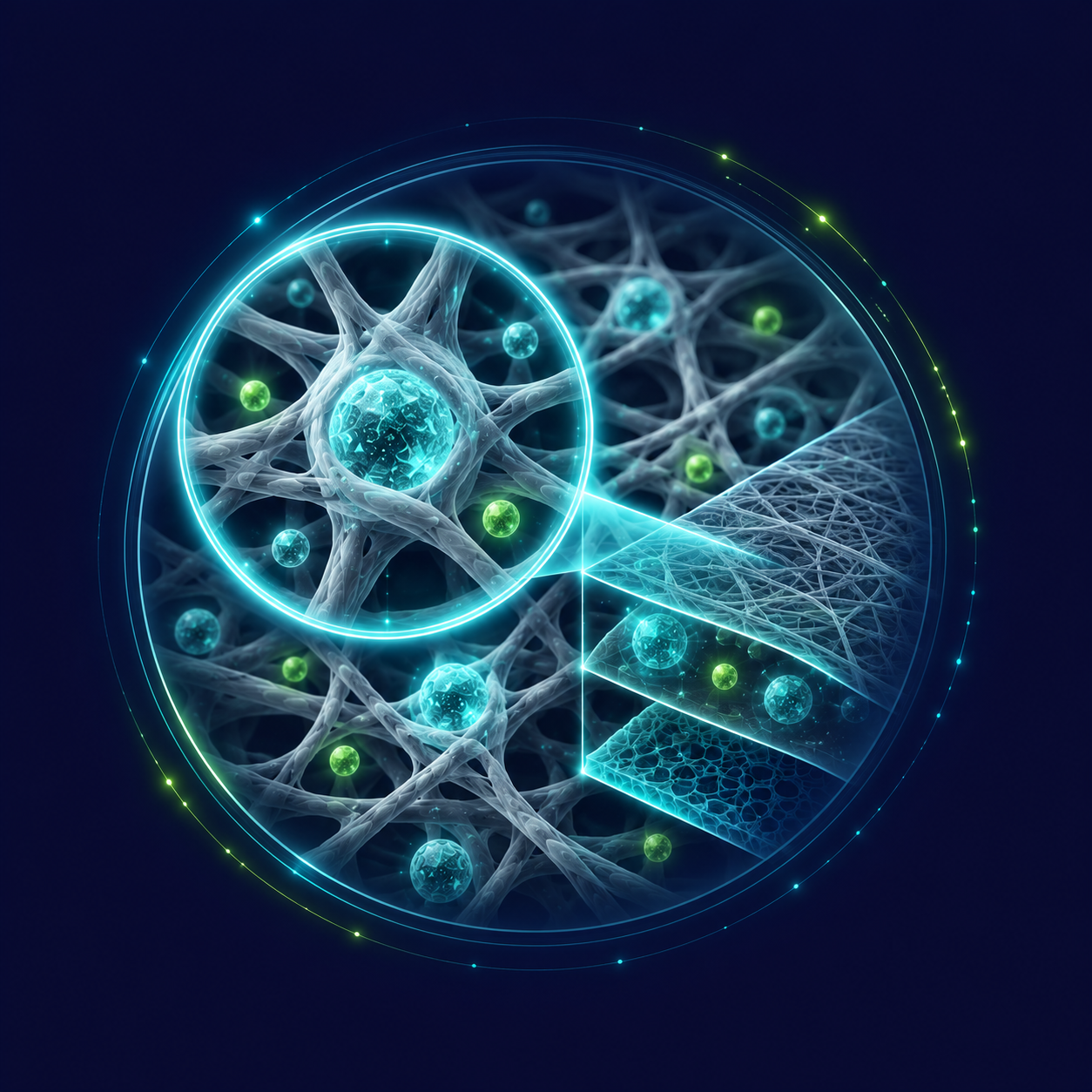
Biological
validation

Testing antimicrobial behaviour and evaluating whether the materials maintain their function after integration into the fibre network.
Materials
characterisation

Studying morphology, structure, mechanical properties, stability and interaction between polymer fibres and inorganic particles.
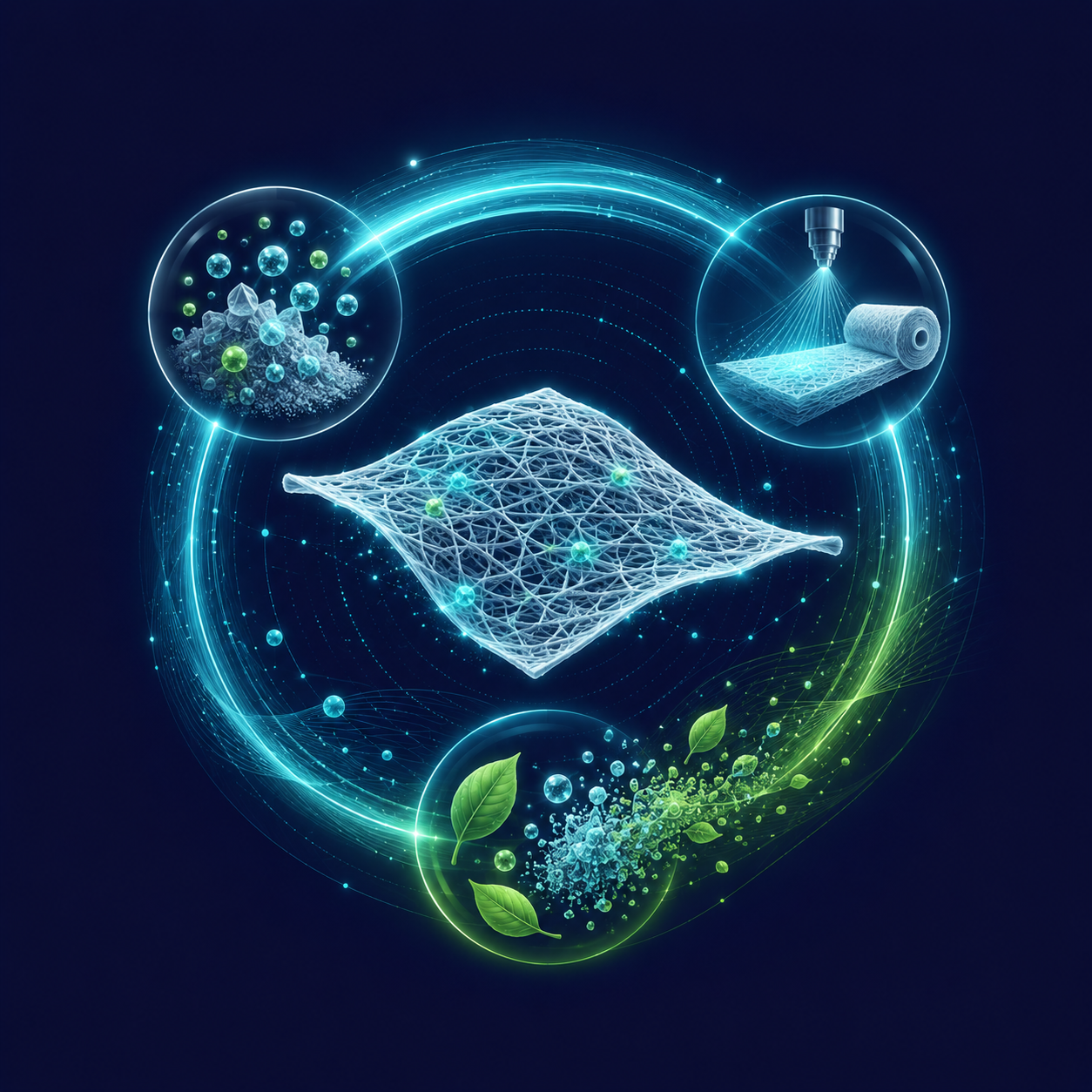
Sustainability
assessment

Applying Life Cycle Assessment to understand the environmental footprint of materials, processes and possible future production scenarios.

Sharing GAiA

Making the project visible to the world

Scientific community

Results are shared through conferences, publications and exchanges with researchers working on biomaterials, advanced ceramics, antimicrobial materials and sustainable technologies.

Companies and stakeholders

The project aims to create dialogue with organisations interested in protective devices, filtration materials, healthcare innovation and environmental sustainability.

Students and citizens

GAiA translates technical results into clear messages to explain why safer and greener filtering materials matter. Dissemination activities will be aimed at increasing the visibility of results through scientific events, updated communication materials and digital tools.