



To estimate the environmental footprint, researchers apply Life Cycle Assessment (LCA). This method evaluates resource use, energy consumption, emissions, production processes, and end-of-life scenarios of GAiA filters in comparison with traditional ones. The analysis specifically addresses the environmental footprint of GAiA solution throughout the product’s lifespan.
Safer breathing, longer protection
GAiA filters aim to improve respiratory protection in high-risk situations. Their antimicrobial properties help reduce the survival of bacteria and viruses inside the filter. Safer and potentially longer use can be especially helpful in healthcare settings or environments where masks are worn for many hours.
Designed for extended use and reduced waste
GAiA project aims to reduce the environmental impact of disposable respiratory protective equipment through greener processing routes, extended filter service life, and bacteriostatic functionality. By limiting bacterial proliferation on used filters, the material may also reduce the microbiological risk associated with handling and disposal. Overall, GAiA focuses on reducing resource consumption, waste generation, and end-of-life impact rather than assuming that the material can directly return to natural cycles.
From single-use waste to circular thinking
Conventional disposable masks are often made from plastics that are difficult to recycle or biodegrade. After use, they may enter waste streams where they are incinerated, landfilled, or incorrectly dispersed into the environment.
This means considering the origin of raw materials, the manufacturing process, the filter’s protective function, its safety during use, and its end-of-life management. By combining greener processing routes, bacteriostatic functionality, extended service life, and Life Cycle Assessment, GAiA aims to reduce resource consumption, waste generation, and the environmental burden associated with disposable protective devices.

Water-based polymer solutions and functional bioglass particles.
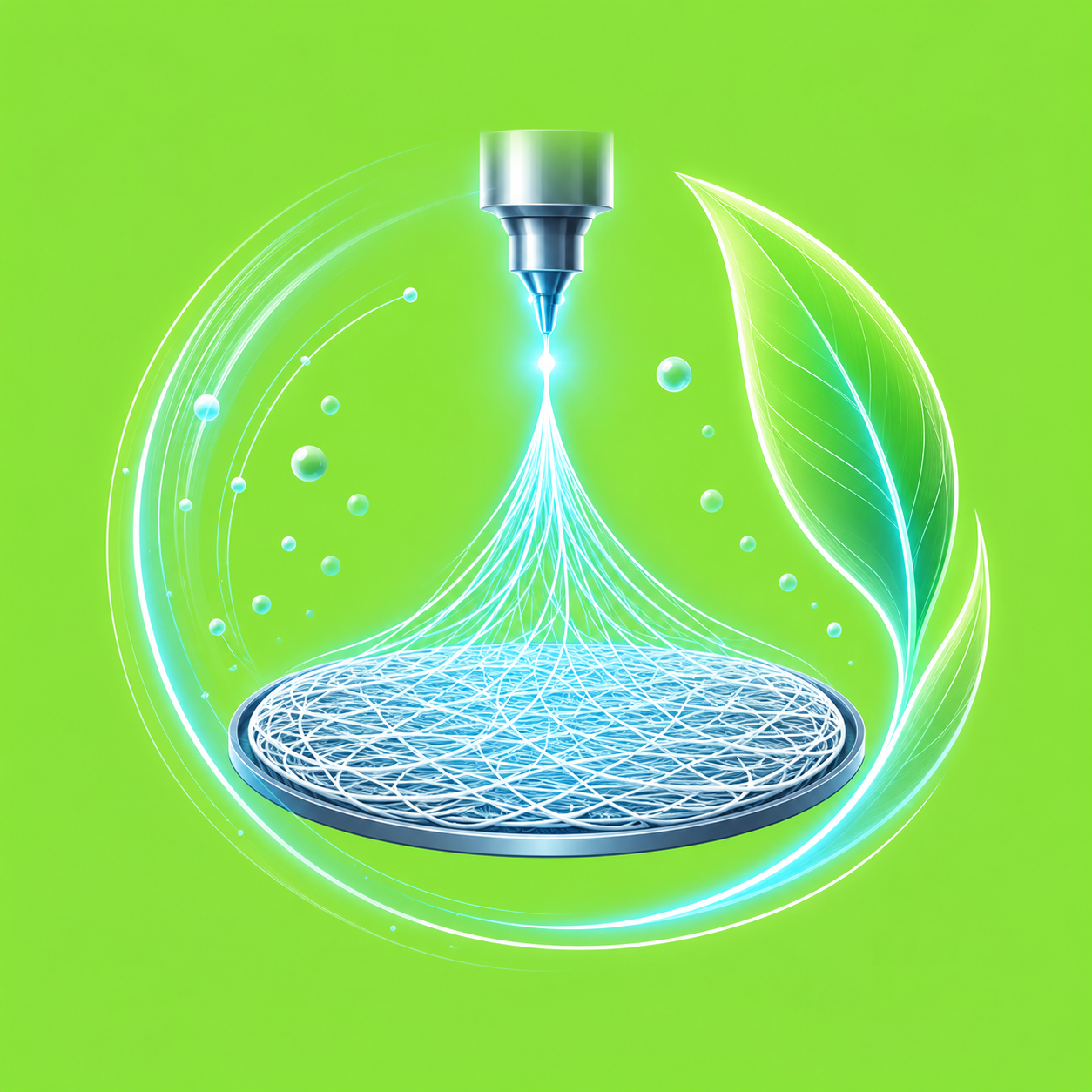
Electrospinning processes designed to limit the use of polluting agents.

Filters developed to reduce infection risks and support safer extended use.

Designed to reduce waste generation and support more responsible end-of-life management.

GAiA’s outcomes may be relevant for many
GAiA’s developed safer filters may support professionals who wear protective devices for long periods in environments with higher biological risk.
The project offers a research-based direction for companies producing masks and protective devices exploring new antimicrobial, compostable filter materials for safer and more sustainable products.
GAiA materials could inspire future air filtration systems for the management of large indoor spaces such as schools, universities, hospitals, offices, transport hubs, and public buildings.
GAiA may offer researchers and students a practical case study at the intersection of materials science, microbiology, environmental assessment, and health protection.